
What a Restaurant-in-a-Box Package Includes

Updated: Jun 16
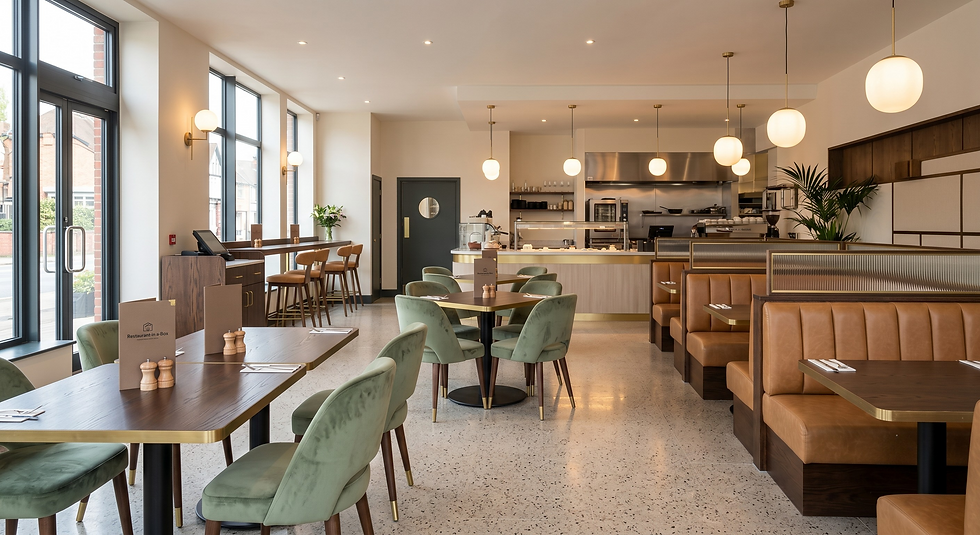
Opening dates rarely move just because procurement is complicated. Rent starts, staff scheduling begins, launch plans are fixed, and every delay in furniture, finishes or coordination creates pressure elsewhere. That is why a Restaurant-in-a-Box package appeals to serious F&B operators. It brings the core fit-out elements into one structured solution, reducing the number of moving parts and giving owners, project teams and procurement leads clearer control over cost, timing and consistency.
For hospitality businesses, the issue is not simply buying tables and chairs. The real challenge is making sure the entire customer-facing environment works as one operational system. Seating capacity, circulation, brand presentation, durability, cleaning, maintenance and rollout timing all need to line up. A fragmented purchasing process often looks flexible at the start, but it can become expensive and unpredictable once multiple suppliers, lead times and site conditions are involved.
What a Restaurant-in-a-Box package actually means
A Restaurant-in-a-Box package is a bundled hospitality fit-out solution designed to simplify setup, refurbishment or multi-site rollout. Instead of sourcing furniture, accessories, design input and implementation support separately, the operator works through one coordinated package tailored to the venue type and business model.
The exact scope depends on the concept. A quick-service restaurant will have different priorities from a premium café or a bar. In most cases, the package centres on commercial furniture and the supporting services needed to specify, supply and deliver it properly.
That can include:
Table systems
Chairs
Banquette seating
Barstools
Outdoor furniture
Accessories
Layout guidance
Finish selection
Project coordination
After-sales support
The value is not in putting products into a bundle for the sake of convenience alone. The value is in making sure the package is commercially fit for purpose. Hospitality furniture has to stand up to high traffic, frequent cleaning, shifting layouts and daily wear without undermining the visual identity of the brand.
Why operators choose a Restaurant-in-a-Box package

Most operators do not struggle because they lack ideas. They struggle because execution is spread too thinly across too many parties.
One supplier handles chairs, another produces custom seating, another manages accessories, and someone else is expected to reconcile all the finishes on site.
That approach can work for some boutique projects, but it creates obvious risks for growing brands and time-sensitive openings.
A restaurant-in-a-Box package reduces that complexity. It gives decision-makers a clearer line of accountability and a more manageable procurement process. This matters whether you are launching a first location or standardising ten outlets across different regions.
There is also a financial reason. Buying item by item may appear to provide tighter control, yet it often leads to hidden costs through design mismatches, specification errors, duplicated coordination, uneven quality and replacement issues. A structured package can improve cost visibility because it is developed around operational needs, not only unit pricing.
The core components of a Restaurant-in-a-Box package
Most business buyers first think about loose furniture, but that is only one part of the picture. The strongest packages start with the concept and the service model.
A high-turnover dining room needs furniture that supports fast resets and easy cleaning.
A café designed for longer dwell time may prioritise comfort and varied seating zones.
A food court operator may need modular solutions that can be maintained efficiently across a shared environment.
Furniture specification sits at the centre. This includes dining chairs, tables, sofas, banquettes, bar seating and outdoor pieces where required. Commercial suitability is critical. Dimensions, materials, finishes and construction methods all affect longevity and guest experience.
Design consultation is usually the next layer. This is where the package becomes more than a buying list. Layout advice, product pairing, material coordination and concept alignment help prevent common mistakes such as overcrowded plans, inconsistent finishes or furniture that looks right on paper but works poorly in service.
Project support is equally important. Delivery scheduling, site coordination and staged installation planning can determine whether an opening runs on time. For chains and multi-site operators, this support helps preserve consistency from one branch to the next.
Maintenance and repair support should not be overlooked. In hospitality, furniture is an operating asset, not a one-off purchase. When a supplier can support lifecycle upkeep, operators gain more confidence in long-term budgeting and brand presentation.
Where the package saves time - and where it does not
A good package shortens decision cycles because many choices are pre-structured around use case, budget and brand intent. It also cuts down supplier management, which is a major advantage for lean internal teams. If your operations manager, procurement lead and designer are all chasing separate approvals from multiple vendors, time disappears quickly.
That said, a Restaurant-in-a-Box package is not a shortcut around planning. It still requires clear briefings, sensible approvals and realistic timelines. If the concept is still changing weekly, no packaging model will fully protect the project from delay. The package works best when the operator has a defined business direction and wants expert support turning it into a deliverable site solution.
There is also a trade-off between speed and customisation. Fully bespoke elements may extend lead times, while standardised product families often allow faster execution. The right balance depends on the brand. An independent flagship site may justify more tailored detailing. A QSR chain usually benefits more from repeatable specifications that can be rolled out efficiently.
Who benefits most from this model?
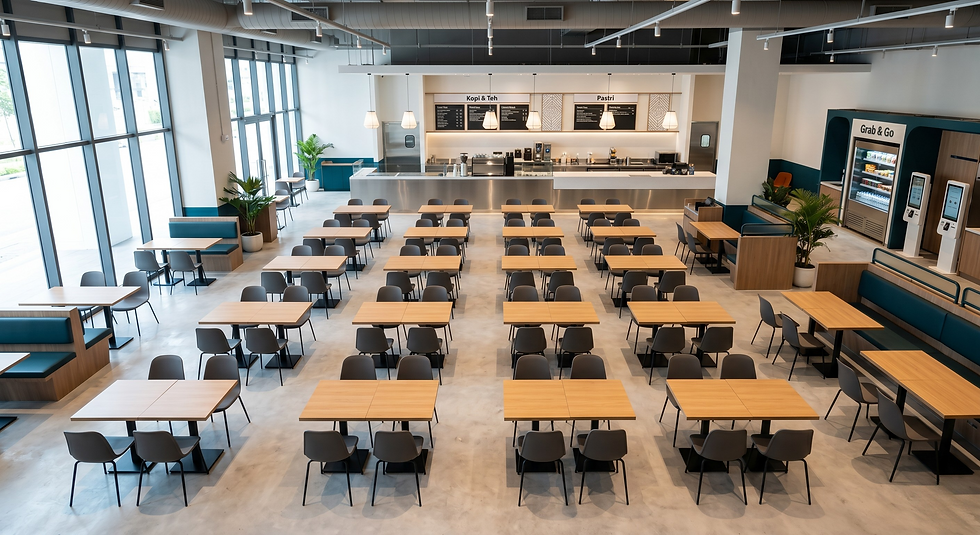
New operators often gain the most immediate relief because they are managing multiple unknowns at once. A packaged solution reduces the burden of coordinating products, specifications and project sequencing from scratch. It gives first-time owners more structure and fewer avoidable procurement errors.
Multi-unit brands benefit for a different reason. Their priority is usually consistency. They need each location to reflect the same standards while allowing for site-specific adjustments. A single solution partner can help maintain that balance between repeatability and practical adaptation.
Developers, architects and procurement teams also benefit when the package is properly documented. Clear specifications, coordinated finishes and reliable project handling reduce friction across stakeholders. That is especially useful in food courts, mixed-use developments and commercial hospitality programmes with multiple approval layers.
What to assess before you commit
Not every package delivers the same value. The first question is whether the provider truly understands hospitality operations. Restaurant environments place specific demands on furniture selection, circulation planning and maintenance. General commercial suppliers may offer products, but product supply alone is not the same as an F&B-focused solution.
Manufacturing capability matters as well. If a supplier has limited control over production, lead times and quality consistency may become harder to manage. This is particularly relevant when projects involve custom finishes, repeat orders or phased rollouts.
You should also assess how the package handles support beyond delivery. Professional advice at the start is useful, but execution matters just as much. Site coordination, replacement planning, maintenance and responsive communication all contribute to peace of mind once the venue is trading.
Finally, look at how well the package matches your growth plan. A single café refurbishment has one set of requirements. A restaurant group with expansion targets needs a solution that can scale without reinventing specifications each time. This is where a provider with a total furniture solutions model can offer stronger long-term value.
A practical way to reduce fit-out risk
In commercial hospitality, avoidable complexity is expensive. Delayed openings, inconsistent interiors and short-lived furniture all affect revenue, labour efficiency and brand perception. A Restaurant-in-a-Box package is not about making every venue identical or removing choice. It is about giving operators a more disciplined way to specify, source and implement the environment their business depends on.
For the right project, the model brings clarity where fit-outs often become fragmented. It aligns furniture, design input and delivery support under one plan, helping business owners move with greater confidence. That is why many F&B operators now see this approach not as a convenience, but as a practical operating advantage.
If you are planning a new site, a refurbishment or a multi-outlet rollout, the best next step is not to ask how cheaply you can buy furniture. It is to ask how reliably your whole venue can be delivered, maintained and repeated when growth depends on getting the details right.


Comments